
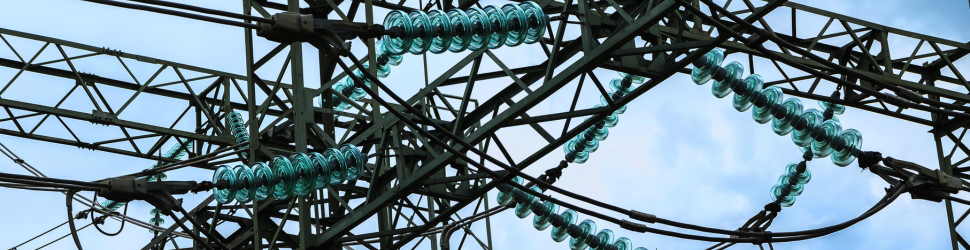
When the Grid Becomes the Bottleneck: TSOs in a Changing World
Across Europe, North America, Asia, Africa, and Latin America, Transmission System Operators (TSOs) are under pressure like never before. It’s no longer just about keeping the lights on — it’s about enabling a clean energy future while navigating aging infrastructure, surging demand, escalating costs, and intensifying regulatory scrutiny.
The energy transition is accelerating. Renewable generation, often located far from demand centers, requires new long-distance lines, interconnectors, and flexible system capacity. Electrification of transport, data centers, and digital services is pushing demand upward in unpredictable ways. Yet much of today’s transmission network was designed for a different era — not for the current speed and scale of transformation.
This mismatch introduces a new systemic risk: the grid becomes the bottleneck to clean energy growth, energy security, and decarbonization. TSOs are now expected to demonstrate not just that investments are necessary — but that every euro spent advances resilience, fairness, sustainability, and long-term value.
What’s Driving Global TSO Investment Pressure?
- Grid expansion gaps and funding shortfalls: Transmission investment lags far behind climate and electrification targets.
- Cost escalation and supply chain disruption: Inflation in transformers, cables, and other long-lead assets threatens project viability.
- Renewable integration challenges: Volatility, intermittency, and distributed resources increase planning complexity.
- Regulatory scrutiny and stakeholder expectations: Transparency, defensibility, and ESG alignment are no longer optional.
- Legacy tools and operational bottlenecks: Spreadsheet-based planning cannot accommodate today’s outage constraints, interdependence, and cross-border requirements.
Traditional grid planning approaches can no longer keep up. The risk isn’t just wasted capital — it’s the failure to scale the energy transition in time.
Why Advanced Capital Planning Matters for TSO Investment Decisions
Modern grid modernization requires tools that can unify strategy, risk, asset health, financial considerations, and operational constraints into one transparent planning environment.
IFS Copperleaf®, through its AI-powered Asset Investment Planning (AIP) capabilities, helps TSOs:
- Compare dissimilar projects using a common, unified economic scale
- Build optimized investment plans that respect outage, resource, and regulatory constraints
- Adjust portfolios dynamically as priorities, risks, and funding shift
- Link asset-level decisions to strategic goals such as resilience, affordability, and decarbonization
- Demonstrate regulatory defensibility through transparent, data-driven justifications
This represents a shift from reactive planning to strategic, value-based decision making — from compliance-driven to outcome-driven.
Proven Benefits for TSOs Modernizing Their Capital Planning
- Up to 20% uplift in portfolio value through smarter bundling and prioritization
- Millions saved annually by reducing outage coordination and setup costs
- Dramatically shorter planning cycles and stronger internal alignment
- More robust, defensible regulatory submissions
- Greater adaptability to climate risk, policy change, and volatile demand patterns
TSOs such as National Grid Electricity Transmission and Gasunie are already demonstrating that these improvements translate into tangible operational and regulatory gains.
Ready to See IFS Copperleaf in Action?
Make faster, smarter capital planning decisions — with confidence. Whether you’re managing aging assets, planning major reinforcements, or prioritizing across constrained corridors, the IFS Copperleaf AIP solution helps you uncover value, reduce risk, and improve capital efficiency.
Curious what this could look like for your network?
See how your data, constraints, and priorities come together in a live demo.
Final Thought: TSOs Hold the Key to the Energy Transition
Transmission networks are the backbone of the clean energy future, and TSOs are its architects. In a world defined by complexity, volatility, and urgency, better capital planning isn’t a luxury — it’s a necessity.
By adopting modern, value-based decision making, TSOs can plan smarter, move faster, and lead the transition to a resilient, decarbonized grid.